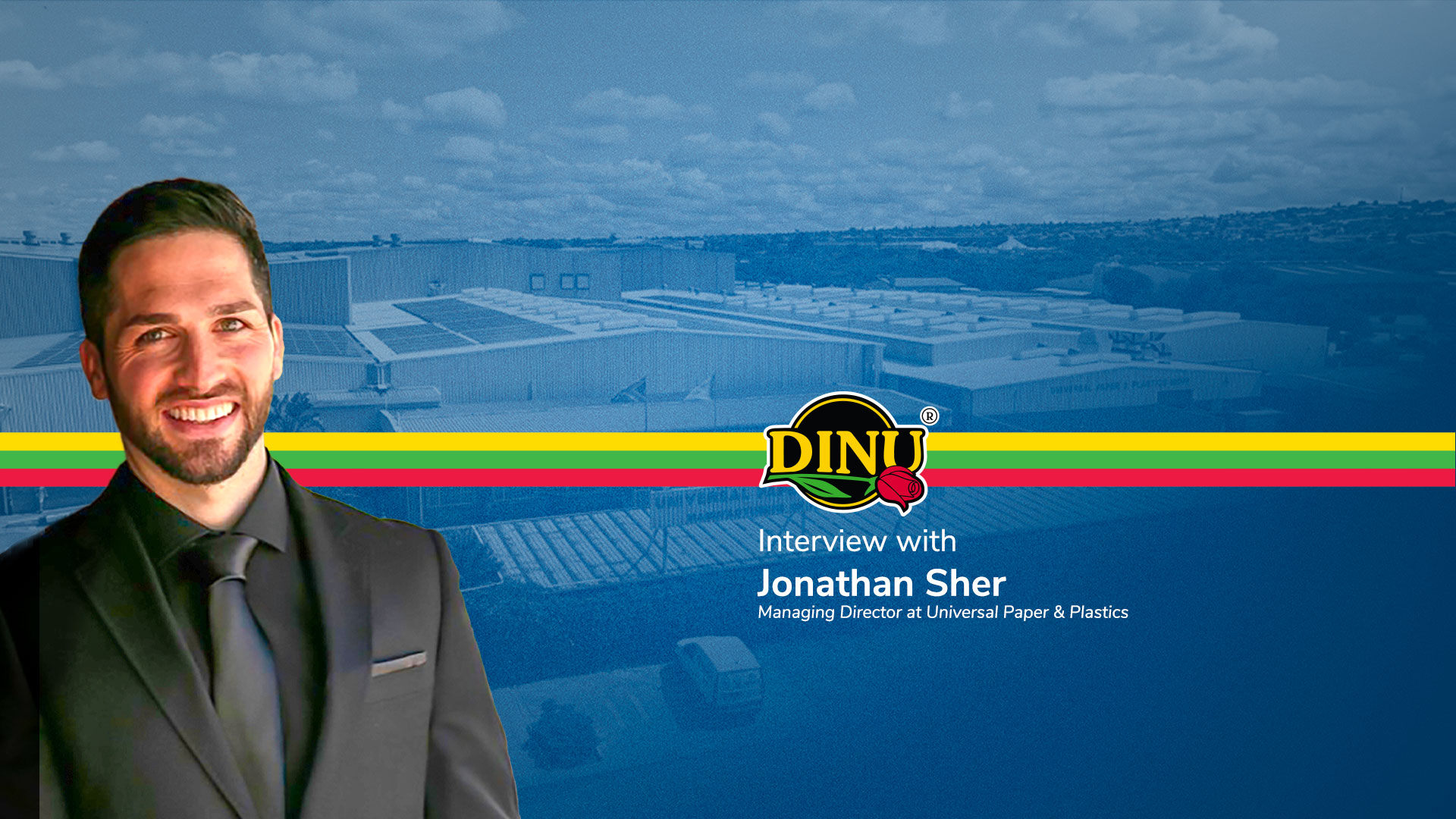
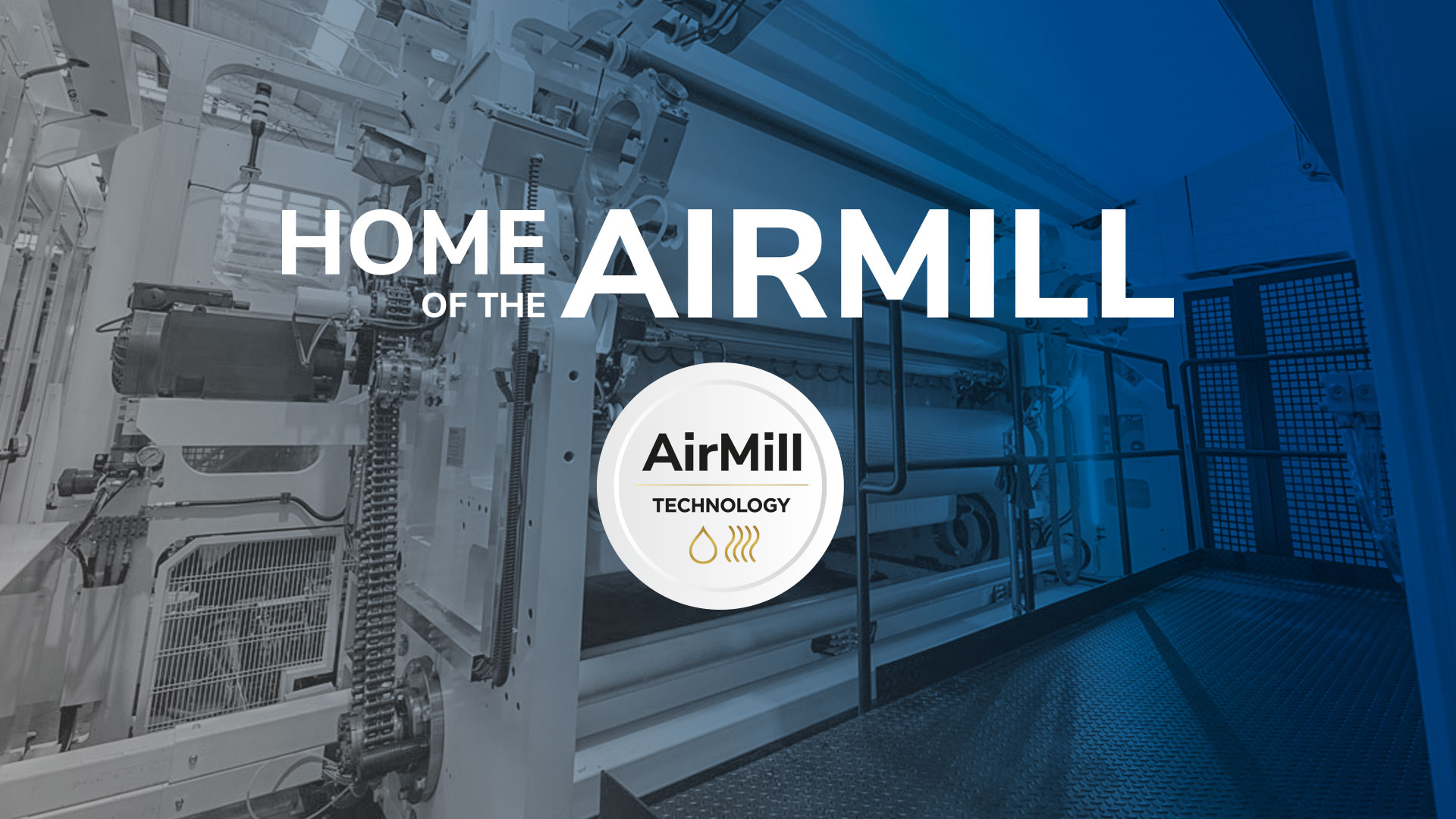
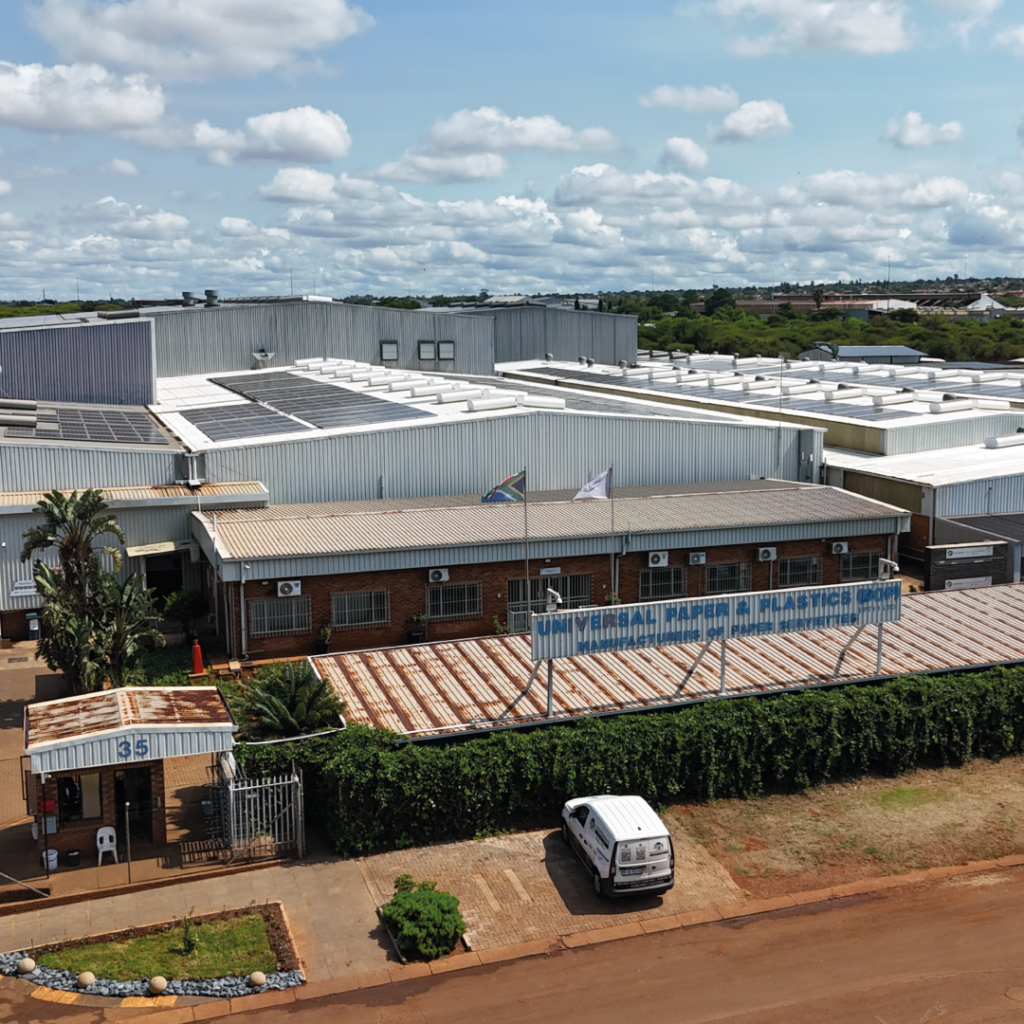
Universal Paper and Plastics has recently adopted the AirMill wet embosser and we had talked to its Joint Managing Director, Jonathan Sher.
Founded in 1950, UPP is a South African home-grown tissue converting and manufacturing company, which today has chosen Gambini’s technology to expand and improve its tissue products.
What motivated you to adopt AirMill technology, becoming the first company in Africa to implement it?
Initially, we were evaluating a return to a point-to-point embossing solution. We already had an existing converting line and wanted to further open up our product. While exploring that option, we were introduced to the AirMill technology by Gambini.
At first, we had only seen it in marketing materials and videos, without fully understanding its real potential. But after in-depth discussions with the Gambini team and seeing the samples, it became immediately clear to us: the benefits in terms of bulk, softness and strength really opened our eyes.
At that point, we realized that, instead of going back to point-to-point, moving directly to the AirMill technology was the right strategic choice for us.
How does AirMill support your production strategy, in particular for premium products and optimized tissue solutions?
Before the installation, we visited another plant to see a similar integration and understand how Gambini had implemented the technology on third-party machines. Even so, the process was challenging, due to the age and complexity of our converting line, which also includes a printing station.
However, with Gambini’s support, we have been able to improve the situation significantly. It required adjustments and learning, but the experience has been positive.
For this reason, our next line will be a complete Gambini solution, fully equipped with both AirMill and TouchMax.
How has AirMill helped improve the quality of your premium products?
One of the key aspects is that we can significantly improve bulk, softness and strength, depending on the product. Furthermore, AirMill allows us to optimize raw material usage, while maintaining – or even improving – the quality.
We have been particularly impressed by the overall product performance and flexibility the technology provides across different grades.
The technology also gives us significantly greater flexibility to balance embossing, strength and overall product performance across different grades.
Innovation is one of the key elements of this project. How does this investment strengthen UPP’s positioning in the market?
Innovation has always been at the core of our company. We have been pioneers in our market, for example introducing printing on tissue products.
With AirMill, we are able to offer a differentiated product with higher bulk and softness, which gives us a clear competitive advantage. This technology allows us to stand out in the market and reinforces our positioning as an innovative player.
For us, innovation is not only about machinery, but about combining technology, product development and process optimisation to create better-performing products for the consumer.
This project required close collaboration: how would you describe the relationship with Gambini?
We have known Gambini for many years through exhibitions and meetings, but this project really strengthened our relationship.
What stands out is that Gambini, like us, is a family-run business. This creates a different kind of connection compared to larger multinational groups, where customers can sometimes feel just like a number.
With Gambini, the approach is very collaborative. When challenges arise, there is a shared effort to solve them together. Communication is direct and solutions are found quickly and efficiently.
This made the entire process, from design to start-up, much smoother and more positive.
What are the most concrete results you have obtained thanks to AirMill in terms of performance?
AirMill has improved the overall stability and consistency of our converting process while enhancing the quality and presentation of the finished product.
The technology has also provided greater flexibility in how we approach different product formats and specifications. Additionally, the ability to increase roll diameter while maintaining quality has brought advantages in packaging efficiency. Overall, the technology contributes to improved process stability and product consistency.
Looking at the future, how do you imagine the evolution of your collaboration with Gambini and what role will technologies like AirMill have in your development?
We see a future long-term relationship with Gambini. Based on our experience so far, we believe that AirMill represents the future of tissue converting.
While other technologies exist, we strongly believe in this concept because we have seen it perform firsthand. For us, adopting this kind of technology is essential to remain competitive and to position ourselves as a market leader.
As a family business now in its fourth generation, continuous innovation is key to sustaining and expanding our legacy. We will keep exploring new technologies to ensure our development and competitiveness.